
UI/UX Design
Transforming User Journeys with
UI UX Design Services in Qatar
Digital products succeed when people can navigate, understand, and interact without confusion. As a trusted UI/UX Design and Development Company in Qatar, we focus on creating experiences that make every interaction straightforward and purposeful. From information structure and navigation flow to interface design and functionality, every element is planned to support user expectations while aligning with business goals. A well-executed design not only improves usability but also influences how customers perceive your brand. By removing friction and creating clear pathways to action, we help businesses build credibility, encourage engagement, and deliver digital experiences that reflect quality, consistency, and professional excellence.
The Art of Effortless
Digital Interaction
Well-executed design creates a stronger connection between business objectives and user expectations. By improving navigation flow, interface clarity, and usability, digital platforms become more effective at guiding users toward meaningful actions while reinforcing brand credibility at every stage.
User Experience Design (UX)
Focused on user behaviour and business objectives, our UX design services create intuitive journeys that support seamless interaction.
User Interface Design (UI)
Built with clarity and functionality in mind, our UI design services deliver engaging interfaces that enhance usability.
Cross-Platform Experience Design
Designed to maintain consistency across devices, our Cross-platform UX design approach ensures smooth and connected user experiences.
Interaction Design
Centered around user actions and expectations, our Interaction design services improve responsiveness and strengthen digital interactions.
UI/UX Consulting & Auditing
Backed by detailed evaluations, our UI UX audit services identify experience gaps and provide actionable design recommendations.
Design System
A structured framework that establishes consistency across digital products, supporting efficient design processes and cohesive user experiences.
Structured Path
to Success
Blending research, audience insights, creative development, and optimization, each stage is designed to elevate visibility, reinforce trust, and ensure campaigns deliver consistent engagement, reliable conversions, and long-term digital success.

Research & Discovery
Meaningful design decisions are built on accurate insights and a thorough understanding of project requirements. Through research, audience analysis, stakeholder discussions, and market evaluation, we develop a clear picture of user expectations and business objectives. This process allows our team to identify opportunities, address potential challenges, and establish a strong foundation for creating digital experiences that are purposeful, user-focused, and aligned with long-term business goals.

Define & Strategy
Clear direction is essential for creating experiences that deliver value to both users and businesses. During this stage, our team defines project objectives, user requirements, content priorities, and functionality expectations. By developing a structured strategy before design begins, we create a framework that guides decision-making, supports usability, and ensures the final experience aligns with the intended outcomes of the project.
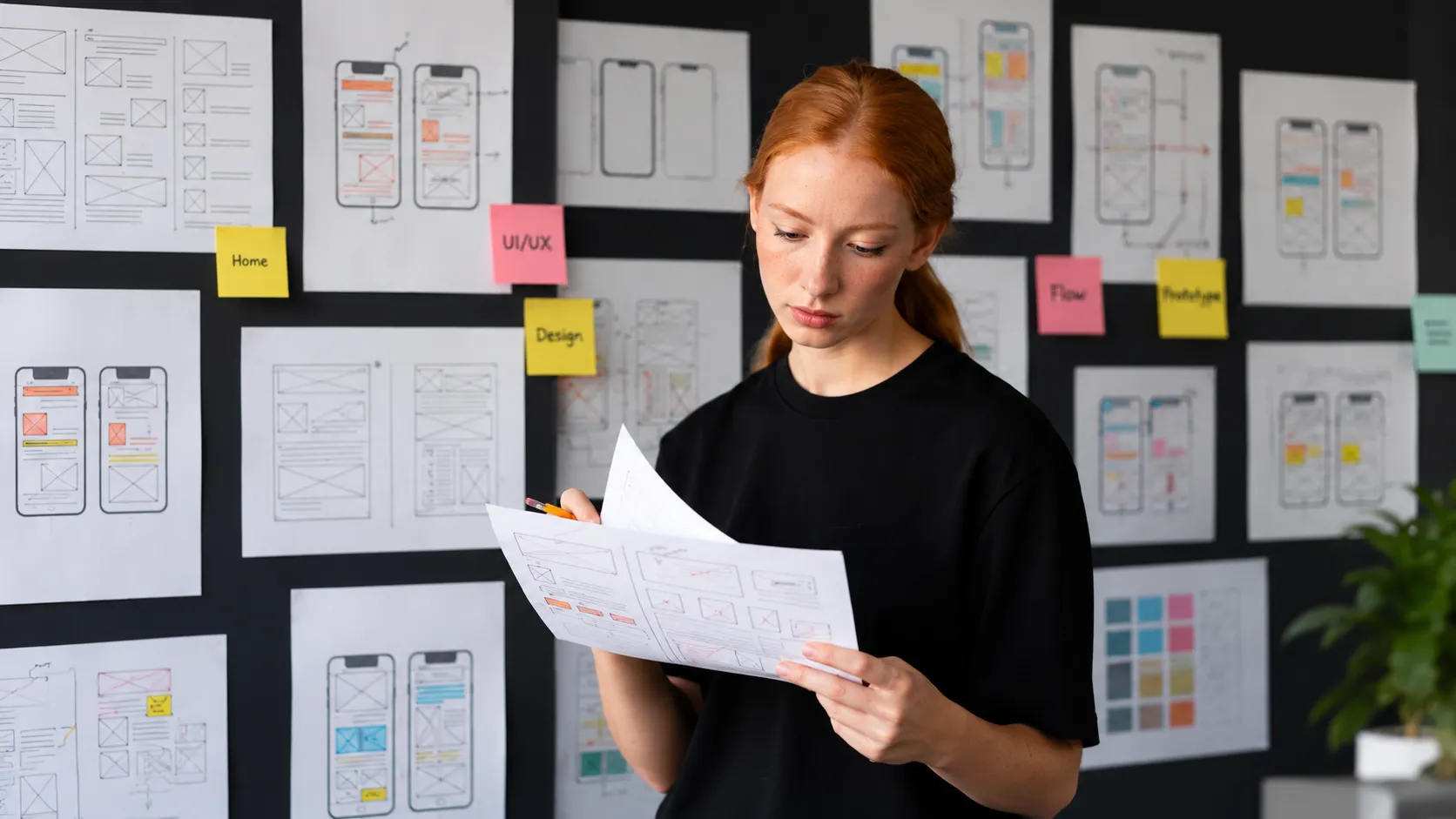
Wireframing (Low-Fidelity Design)
A well-planned structure helps create intuitive digital experiences. We develop wireframes to establish page layouts, navigation patterns, content hierarchy, and user journeys before visual elements are introduced. This stage provides a clear blueprint of the experience, allowing functionality and usability to be evaluated early in the process while minimizing revisions during later stages of design and development.

UI Design (High-Fidelity Design)
Visual design transforms concepts into engaging digital experiences that reflect professionalism and brand identity. Our team carefully develops interface elements, typography, visual hierarchy, colour systems, and interactive components to create a cohesive experience. Every design decision is guided by usability and consistency, ensuring the final interface is both visually refined and easy for users to navigate.

Prototyping
Understanding how users interact with a design before development begins is an important part of the process. We create interactive prototypes that simulate real user experiences, allowing workflows, navigation paths, and functionality to be reviewed in a realistic environment. This stage helps validate design decisions, improve stakeholder understanding, and build confidence in the overall direction of the project.

Testing & Validation
Effective digital experiences are shaped through careful evaluation and feedback. Our testing process examines usability, interaction quality, accessibility, and navigation performance to identify areas that may require refinement. By validating design decisions through real-world usage scenarios, we ensure the experience meets user expectations while maintaining alignment with project objectives and business requirements.
Iteration
Continuous refinement helps transform a good experience into a stronger one. Based on feedback, testing outcomes, and project reviews, we make targeted improvements to design elements, user flows, and interface interactions. This iterative approach enables our team to address usability concerns, strengthen consistency, and optimize the overall experience before moving into full-scale development.
Hand Off to Development
Successful implementation relies on clear communication between design and development teams. We prepare detailed specifications, design assets, interaction guidelines, and supporting documentation to ensure every aspect of the approved design is accurately translated into the final product. This process helps maintain consistency, reduce implementation challenges, and support a seamless transition into development.
Post-Launch Improvement
Launching a digital product is only one stage of its ongoing evolution. After deployment, we review user behaviour, feedback, and performance observations to identify opportunities for enhancement. These insights help guide future refinements, ensuring the experience continues to meet user expectations, support business objectives, and maintain a high standard of usability over time.
Smart Tools,
Strong Results
We harness specialized platforms that sharpen targeting, elevate creative impact, and reinforce accountability. Each system is selected for precision and dependability, transforming campaigns into engines of sustained progression while cultivating trust through transparent, technology-driven execution.

Figma
A cloud-based design tool enabling real-time collaboration, it empowers teams to co-create with precision. Scalable systems and intuitive workflows ensure prototypes remain adaptive, brand-aligned, and consistently refined, delivering seamless experiences that inspire trust and user confidence.

Adobe XD
Built for design agility, this platform integrates advanced prototyping with responsive layouts. Its creative ecosystem connections streamline workflows, enabling interactive journeys that balance aesthetics with functionality, producing immersive experiences that resonate deeply and reinforce authentic brand presence.

Framer
Engineered to bridge design and development, it transforms concepts into interactive realities. Dynamic prototyping and code-ready precision empower teams to craft responsive interfaces that feel fluid, purposeful, and engaging, ensuring user-centric journeys remain impactful and strategically aligned.

Wix
Designed for intuitive innovation, this platform merges flexible frameworks with advanced customization. Rapid prototyping and adaptive layouts deliver polished, reliable interfaces, strategically crafted to inspire trust, enrich satisfaction, and create meaningful connections through refined digital experiences.
Innovative Solutions for
Diverse Sectors
Industry-specific strategies are carefully designed to address diverse business demands. Each challenge is evaluated with precision, and solutions are implemented that drive measurable growth, and enhance efficiency.

Healthcare
Streamlining patient care with custom health portals, appointment scheduling systems, and secure medical record management
Explore ›
Construction
Optimizing project management and field reporting for construction firms through tailored digital solutions.
Explore ›
Real Estate
Empowering real estate businesses with high-impact property listing sites, CRM integrations, and virtual tour capabilities...
Explore ›
Education
Transforming learning experiences with intuitive e-learning platforms, student management systems, and interactive digital resources.
Explore ›
Logistics
Enhancing supply chain visibility and fleet management with custom logistics software and real-time tracking solutions.
Explore ›Impact Beyond
Limits
We craft forward-thinking solutions, transforming ideas into impactful outcomes that drive growth, elevate brands, and redefine digital possibilities worldwide.

Al Emadi Hospital: Strengthening a Leading Healthcare Presence
Founded in 1998, Al Emadi Hospital has been a prominent name in Qatar’s private healthcare...
Explore ›
Top quality: Driving Automotive Excellence
Top Quality has been a trusted name in the automotive industry since 2009, and it...
Explore ›
Westpac: Elevating Real Estate Standards
Westpac Properties brings forward premium villas, apartments, and real estate solutions, combining luxury living with...
Explore ›
WYCON Cosmetics: Redefining Accessible Beauty
Founded in Italy in 2009, WYCON Cosmetics redefines beauty with make-up and skincare that feel...
Explore ›
Bazarna: Nurturing Growth, Simplifying Living
Bazarna delivers garden essentials and fresh flowers, expanding into groceries and hardware with reliability, innovation,...
Explore ›Got Questions?
We’ve Got Answers
Everything you need to know to get started and make the most of our solutions.
How do you determine whether a project requires Interaction Design or a complete UI/UX redesign?
The decision depends on the scope of usability challenges, user behaviour patterns, and the overall effectiveness of the existing experience.
At which stage can changes be made without affecting the overall project timeline?
Early stages such as wireframing and prototyping provide greater flexibility for revisions, helping refine the experience before development begins.
Why is prototyping necessary if wireframes have already been approved?
Wireframes define structure, while prototypes demonstrate interactions and user flow, providing a more realistic view of the final experience.
How do prototyping and testing reduce development risks?
Validating ideas before development helps identify usability concerns early, minimizing costly revisions and supporting a more efficient implementation process.
How do you select the right design platform for a project?
Tool selection is based on project complexity, collaboration requirements, workflow preferences, and the specific goals of the design initiative.
Which design tool is most suitable for large-scale collaborative projects?
The ideal platform depends on project requirements, team structure, and workflow preferences. Tool selection is based on operational and design needs.
Request a Customized
Quote Tailored to Your Project
Share your project details with us, and we’ll provide a personalized quote designed to match your specific goals, requirements, and budget.